
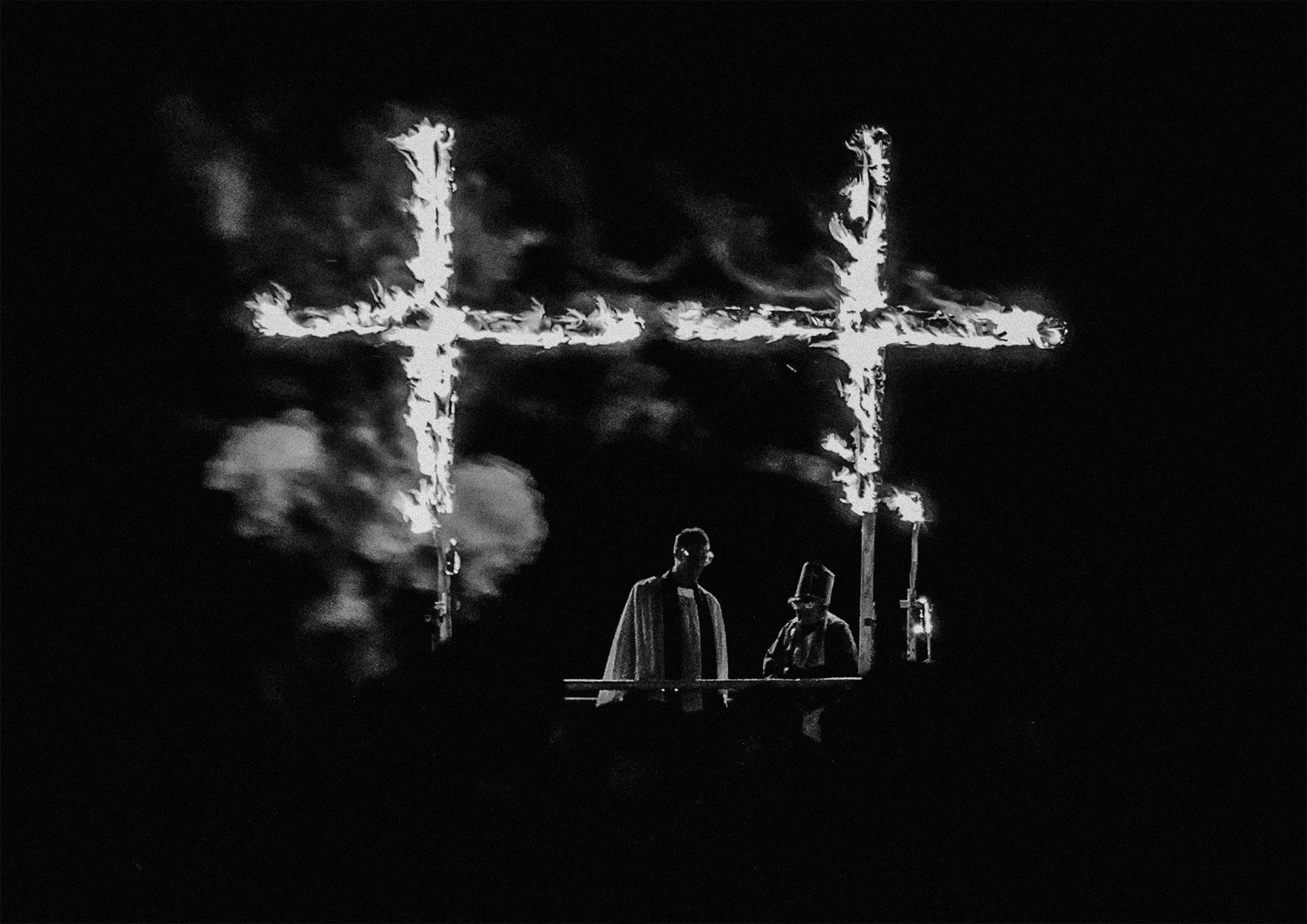
Fire has a peculiar way of collapsing time. Stand close enough to the torch-lit processions in the East Sussex town of Lewes, and it becomes hard to tell if you’re witnessing a street party or a protest. The first time I witnessed it, it felt like a ritual that had escaped a history book, one that shared the most obscure and heretical rites.
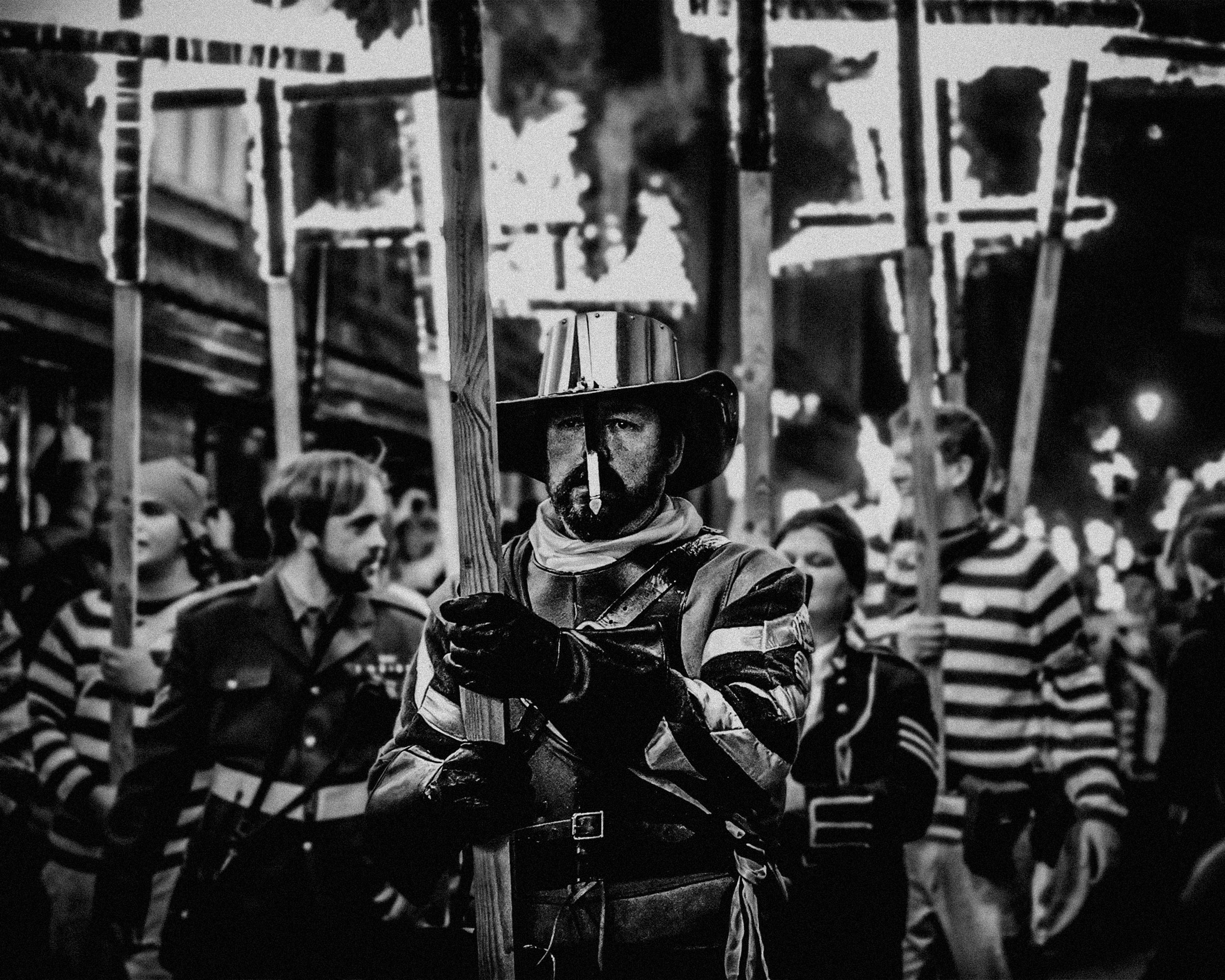
Should you stumble into it one day, your eyes will water from the smoke, your clothes will absorb the smell of paraffin, and every loud bang will echo through the narrow streets. Your ears will ring for the rest of the night.
The sight of hundreds of burning crosses marching towards you will stain your memory forever.
This quintessentially British fire ritual feels less like entertainment, and more a reminder of why some traditions refuse to become polite. I first photographed Lewes Bonfire Night in 2010, a year after seeing it for the first time. I returned every 5th of November for the next six years, chasing flames through the streets with my camera and gradually realising I wasn’t documenting an event so much as trying to understand why, in one of the world’s most modern countries, thousands of people still choose to gather around fire.
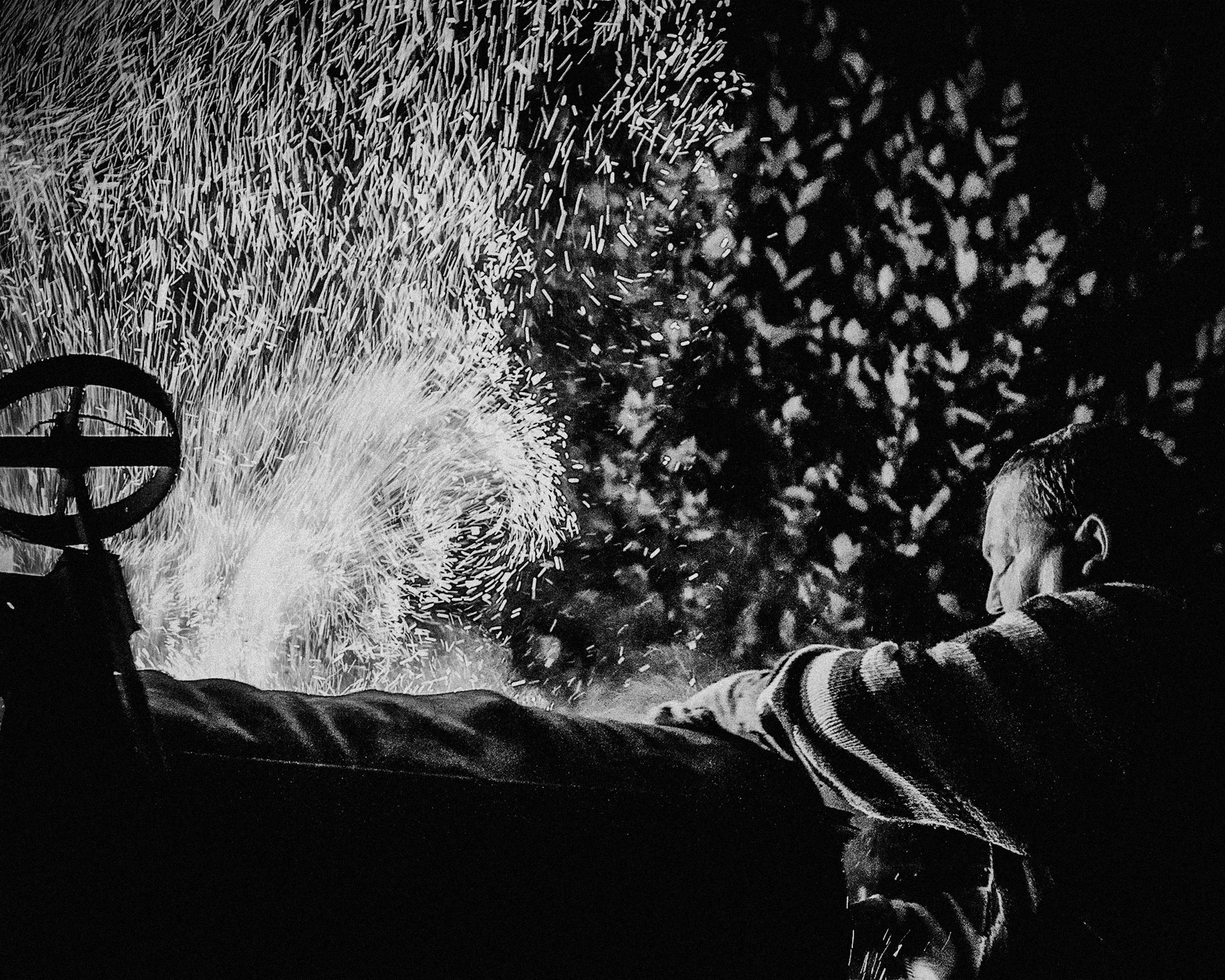
Photographs have an inconvenient habit of revealing what you weren’t looking for. The first time, I photographed the obvious: flames, burning effigies and crosses, painted faces emerging from clouds of smoke… For millennia, fire has enchanted our attention. In Lewes, it transforms ordinary streets into theatrical stages, throwing shadows across centuries-old facades. As photographers, we’re conditioned to chase light, and so I fall under the enchantment of fire easily. But on Bonfire Night, the light is chasing you.
Why, in one of the world’s most modern countries, do thousands of people still choose to gather around fire?
As the years went by, I realised I’d spent less time photographing fire than the people carrying it. My fascination shifted; I paid more attention to children clutching dying torches with solemn expressions and faces marked by smoke and exhaustion. Somewhere between the spectacle and the embers, a bigger story began to emerge. It wasn’t simply about fire; the fire only exists because people choose, year after year, to carry it.
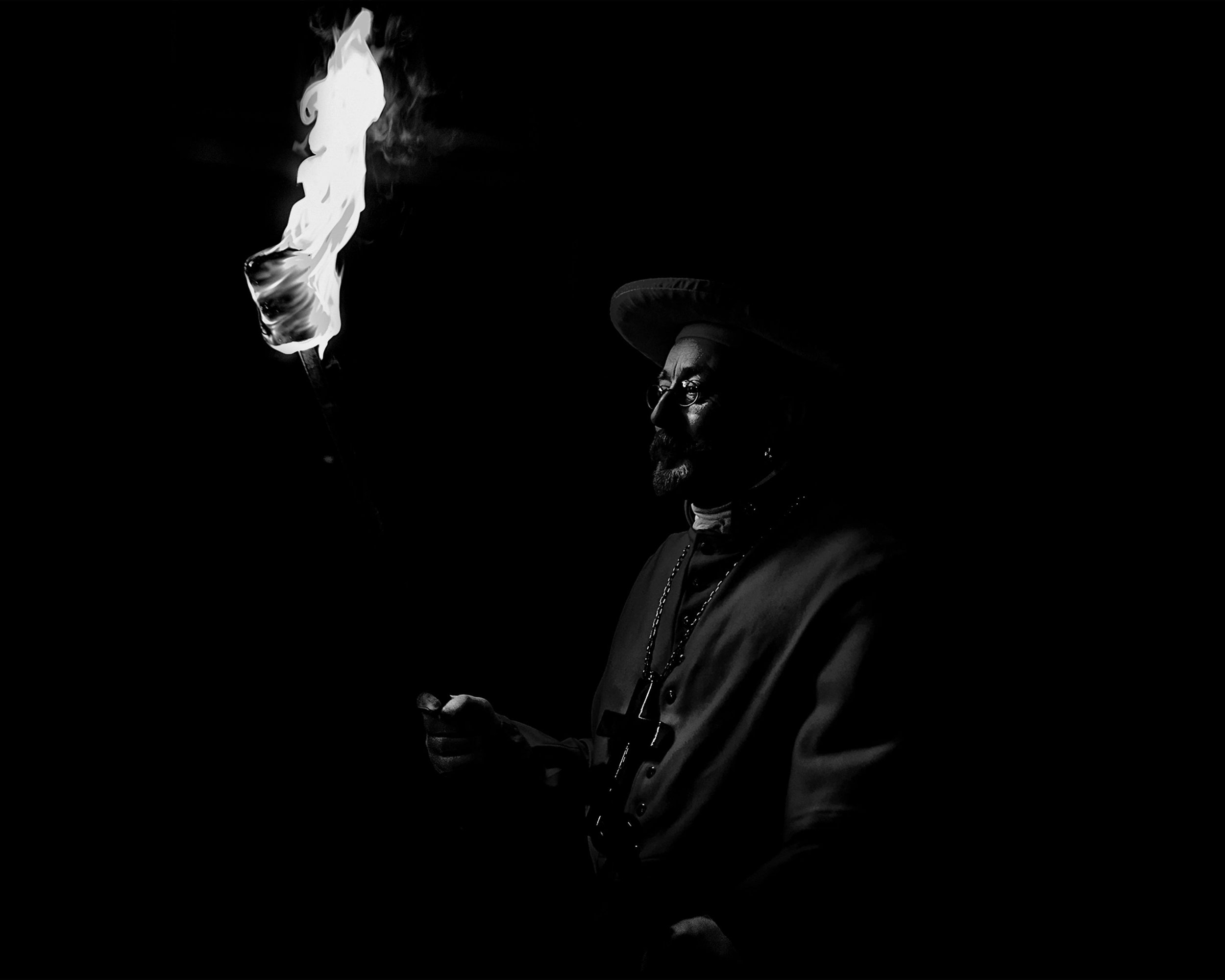
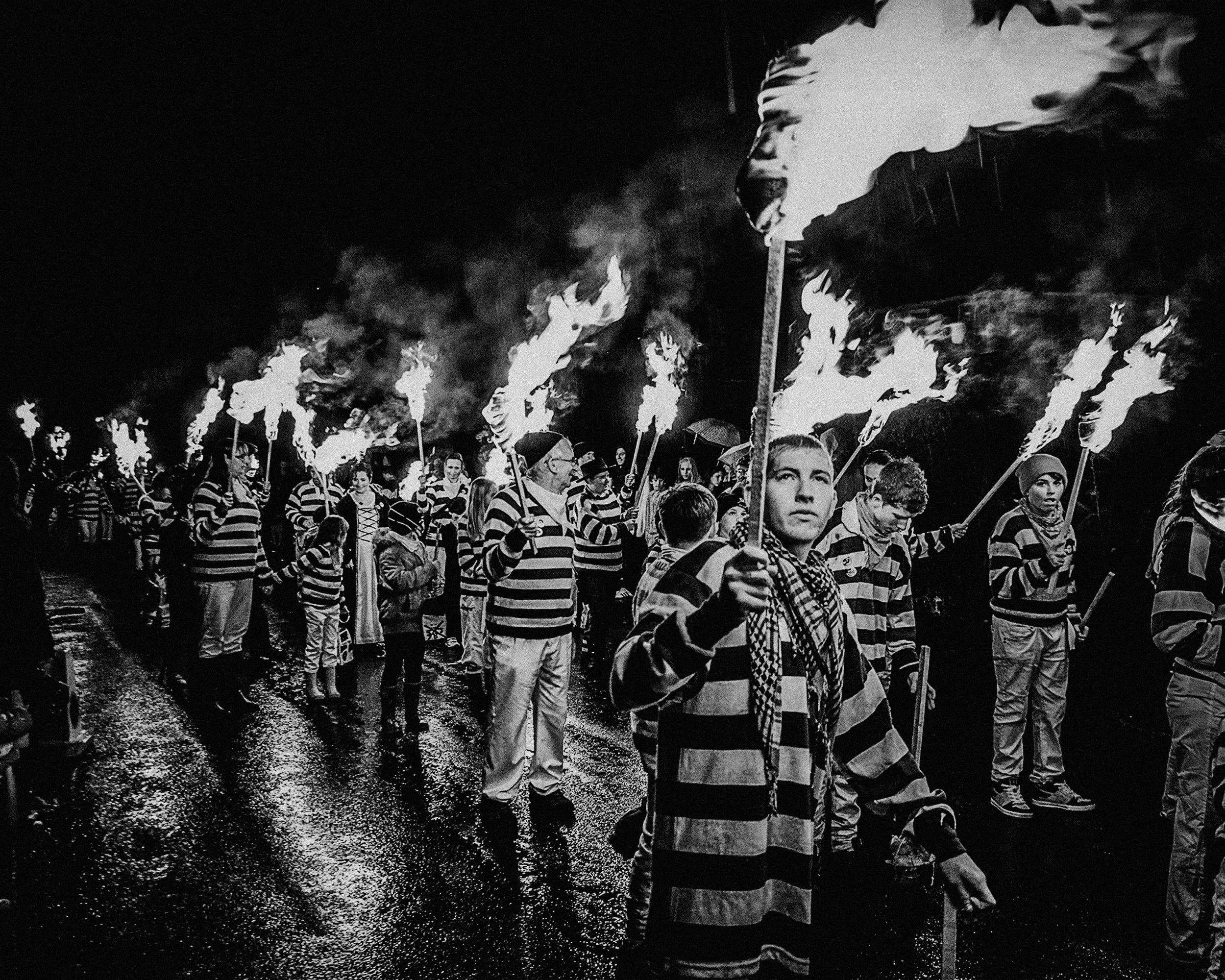
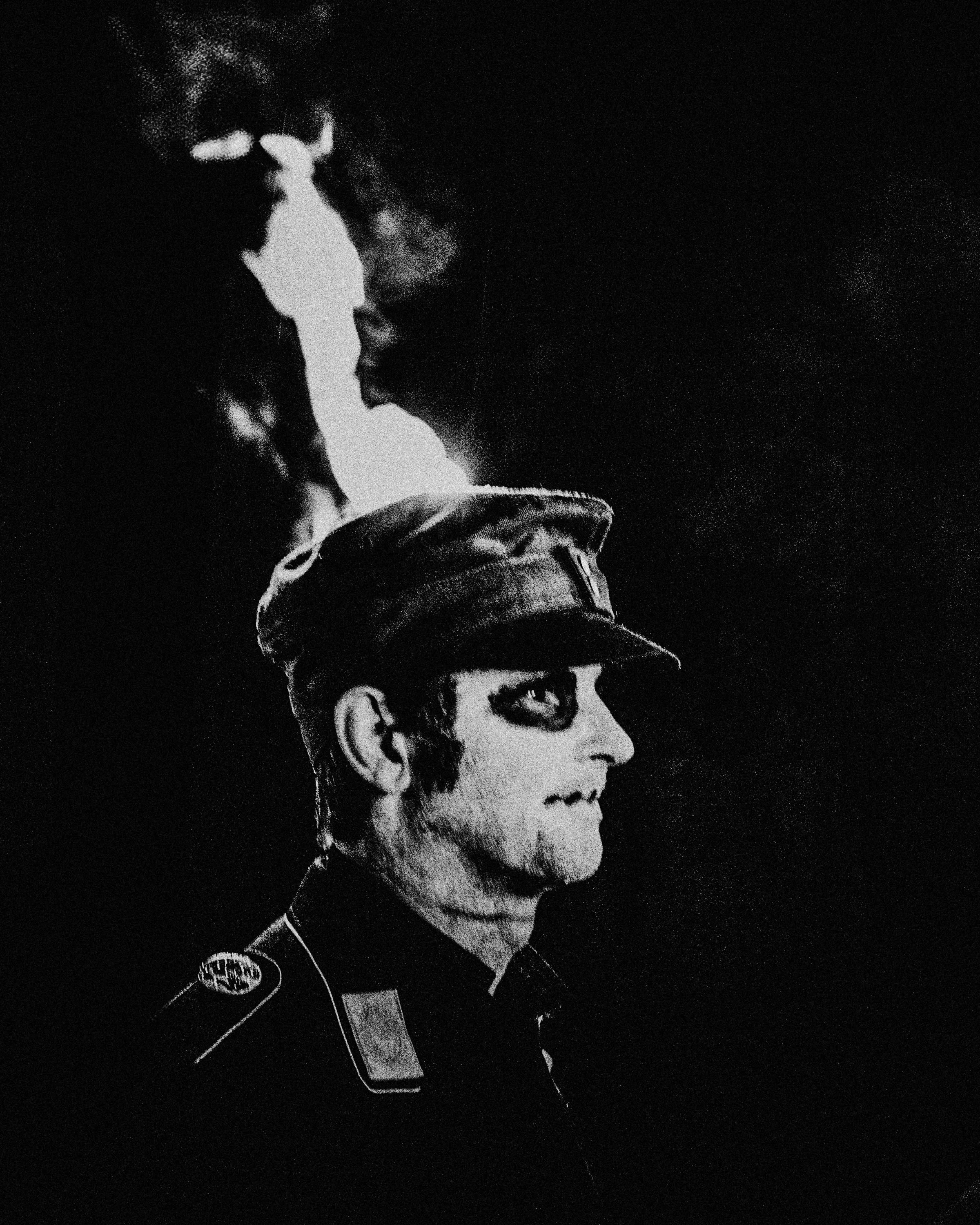
Once, this day was memorialised by decree. For more than two centuries, churches were legally obliged to celebrate a day of thanksgiving for the failure of Guy Fawkes’ plot to blow up Parliament. Remnants of the anti-Catholic sentiment behind Bonfire Night are still visible in Sussex: some bonfire societies still march under banners reading ‘No Popery’. But few people nowadays are primarily here to air strong feelings about Protestantism. Some insist it’s about history, politics or protest. They’re all partly right, but none of them explain why, centuries later, thousands of people still choose to stand shoulder to shoulder in the cold, or rain, in costume with their faces lit by open flames.
On Bonfire Night, the light is chasing you.
Perhaps the answer has less to do with remembrance than with repetition, or maybe belonging. Traditions rarely survive because people fully understand them, but rather because people continue to practise them. This is universal! Every November, children watch their parents parade, before one day taking their place in the procession themselves. Like the flames that smoulder and flicker out at the end of the night, the ritual is never preserved. It is reborn each year, never the same yet always passed on.
Not having grown up in Britain, I have the luxury of looking at British tradition through unfamiliar eyes. What I see on Bonfire Night is an event that, rather than being a performance staged for tourists or a carefully packaged piece of heritage, feels lived in, used and worn, like a fine pair of cotton trousers. It is untidy, loud, uncomfortable, even dangerous – in recent years, non-locals have been urged not to attend due to safety concerns about overcrowding. But when authenticity is so often manufactured, Lewes’ Bonfire Night doesn’t need to convince or commodify. It doesn’t need to prove it’s a ritual. It simply gathers, lights torches and walks – it’s an evening of orchestrated chaos.
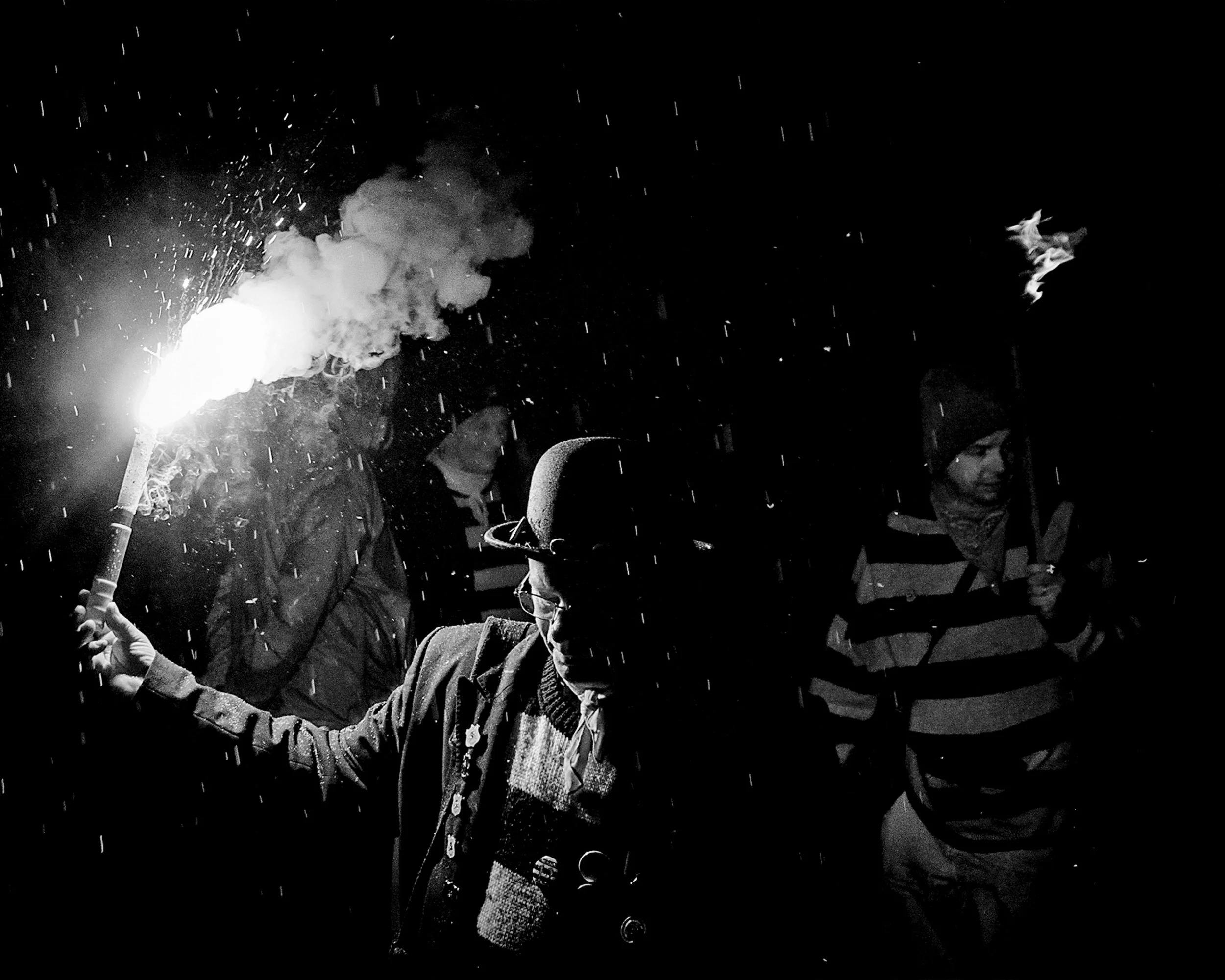
The fire is only the excuse. What endures is the community willing to carry it.
My favourite photographs are no longer the ones filled with fire; now I’m drawn to the quieter moments. Someone waiting in silence before the procession begins, a young couple giving me the finger, the face of someone who’s carried a torch for hours, the crowd gathering in the rain… oh! And the lingering smell of paraffin that stays with you long after the smoke has cleared. Those photographs remind me that the flames were never really the subject.
The fire is only the excuse. What endures is the community willing to carry it.
Photography by Xavo Buendia