
The English Were Never Alone: Why Translation Mattered To Your Favourite Authors

Maybe it’s Shakespeare’s fault. His vision of England’s ‘sceptered isle’, protected by the sea from ‘less happier lands’, accords so well with an image of English culture that’s literally and figuratively insular. Amidst the global dominance of the English language, it’s easy to imagine that our literary history, from Beowulf to Virginia Woolf, sprang fully formed from our national genius. With centuries of great works to be inspired by, why would we need any writing that isn’t from ‘this blessed plot, this earth, this realm, this England’?
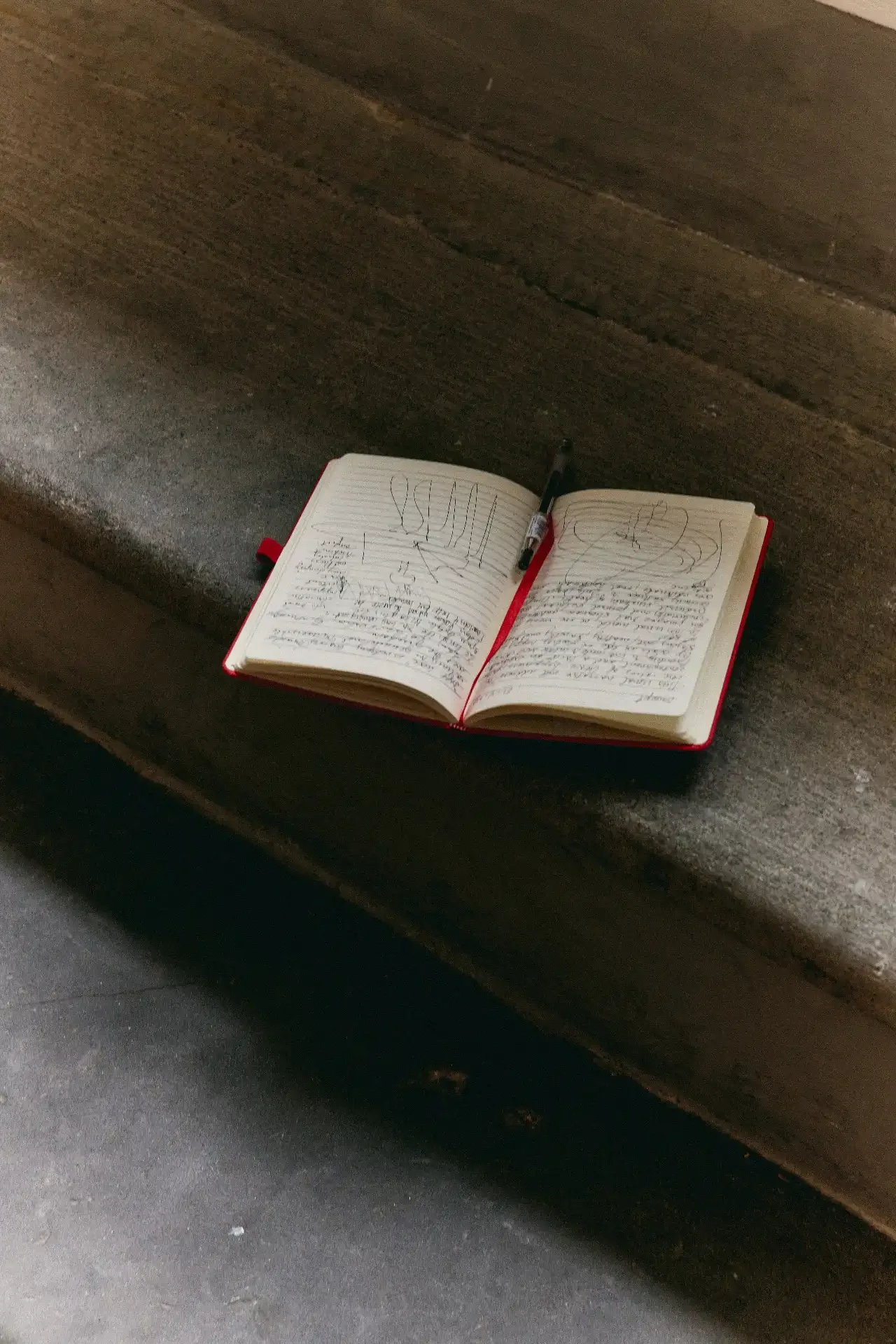
‘Tolkien used to say that language came first and story follows.’
But this literary culture was also shaped by centuries of translation and international cross-pollination. The quintessentially English legends of King Arthur borrow liberally from translated French sources, while a host of celebrated writers, from Geoffrey Chaucer to Simon Armitage, have been translators themselves. Just look at J.R.R. Tolkien, who wove his expertise in translation and linguistics throughout The Lord of the Rings. ‘Tolkien used to say that language came first and story follows,’ says Giuseppe Pezzini, a professor at Oxford University serving as a consultant on the upcoming film The Lord of the Rings: The Hunt for Gollum.
Tolkien’s Middle-Earth is resolutely English, the hobbits’ home of the Shire being his ode to the British countryside. Yet Pezzini highlights the international inspirations for Tolkien’s setting: his invented languages draw from Finnish, Hebrew, Greek, Latin, and many more. The depth of Tolkien’s universe, Pezzini says, makes it a ‘common language’ for fans worldwide. ‘You read Tolkien on your own,’ he explains, ‘but at the same time, it’s an experience that can be shared. You’re never the only one who loves Tolkien.’
‘The translator is almost more important to me than the author.’
You don’t have to be a fan of ents and elves to celebrate the power of translation. John Keats, who compared reading the Odyssey in translation to discovering a new planet, would surely be pleased with how the poem’s US sales, boosted by Christopher Nolan’s film, are up 76% this year according to Publishers Weekly. Meanwhile, the International Booker Prize reveals that the UK’s translated fiction market has nearly doubled in value from £23.2m to £40.7m between 2016 and 2025. Publishers, in turn, are doing everything they can to celebrate the power of translation.
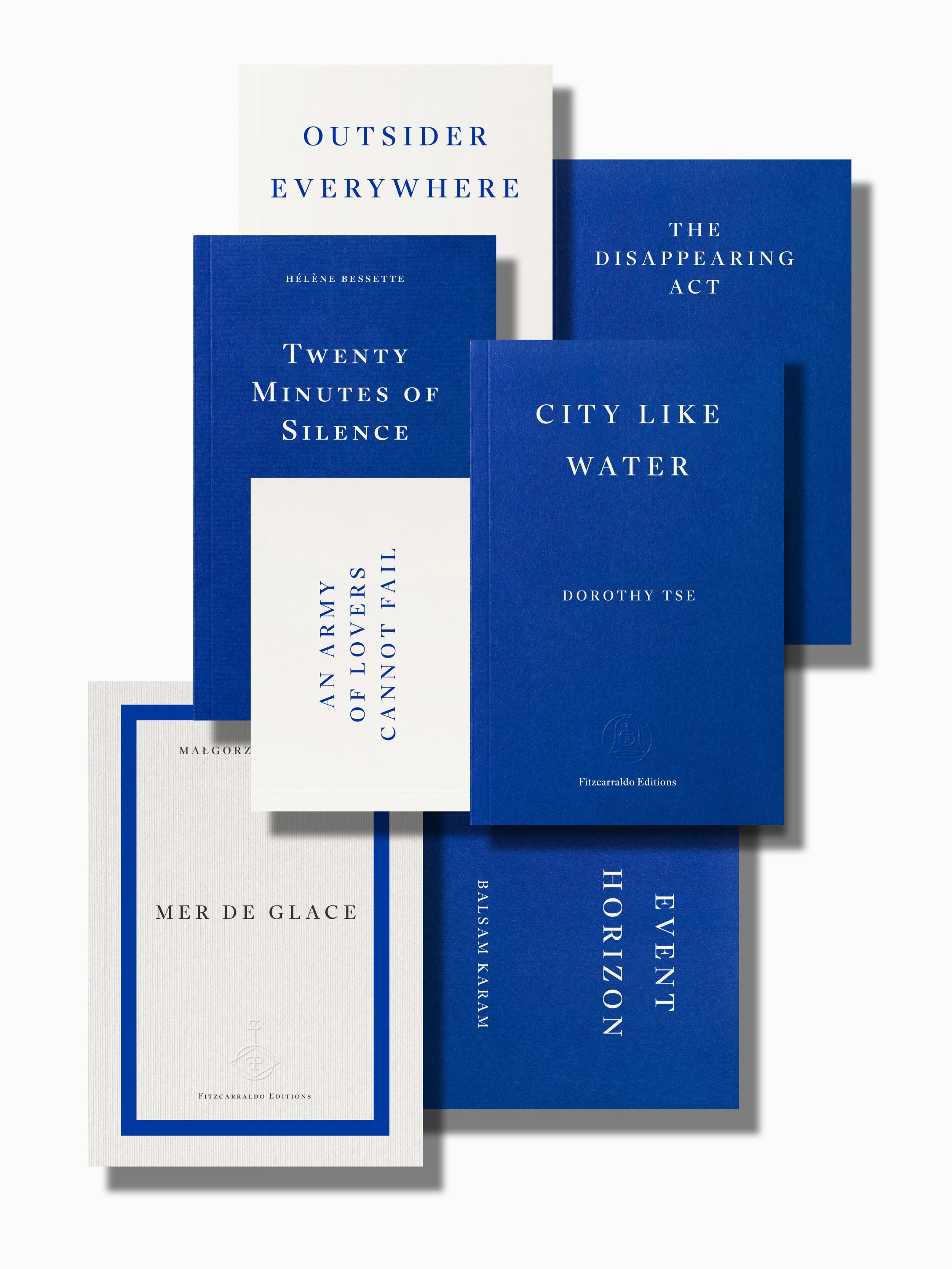
Image credit: Fitzcarraldo Books
‘The translator is almost more important to me than the author,’ says Linda Mohamed, a fiction commissioning editor at Faber, explaining that a translator needs to be someone she trusts and works closely with. In turn, translators often tip her off about exciting international releases that Faber could buy rights to, while if a translator pitches her a good book that isn’t suited to Faber’s list, she’ll point them towards other publishers, because she sees this sector as being distinguished by its camaraderie. ‘It’s all about relationships, and knowing people from all over the world,’ she says.
‘The richness of translation is in how there are multiple voices.’
These human relationships are expensive, and technology poses serious competition: ‘translation technology will render the services of average and below-average translators redundant,’ declared a 2026 report by ThinkPub, an initiative to support European publishers. But for an independent press like Fitzcarraldo Editions, there are concerns other than the bottom line. ‘We’re not looking for a book that will sell lots—although obviously that’d be great,’ shares Clare Bogen, Fitzcarraldo’s publicity director. ‘We’re trusting the people who read us to know what we’re getting at.’
She explains that Fitzcarraldo, whose list of translated authors includes four Nobel Prize winners, is more concerned with publishing ambitious and challenging works than with breaking sales records. A translator’s job is like rewriting a book, and she’s proud of how Fitzcarraldo and other publishers are increasingly championing them by involving translators in events and book promotion. ’I’m possibly quite naive in how I feel it’ll affect us,’ Bogen says. ‘The richness of translation is in how there are multiple voices.’
Mohamed agrees, hoping that the industry will introduce regulations to disclose if submissions are machine-translated. She gives the example of a French novel featuring a joke about French politicians: a good translator will translate it literally, while a great translator might swap it for a political joke that English speakers understand. In contrast, she tells me that she’s never seen an AI-translated writing sample that she thought was good.
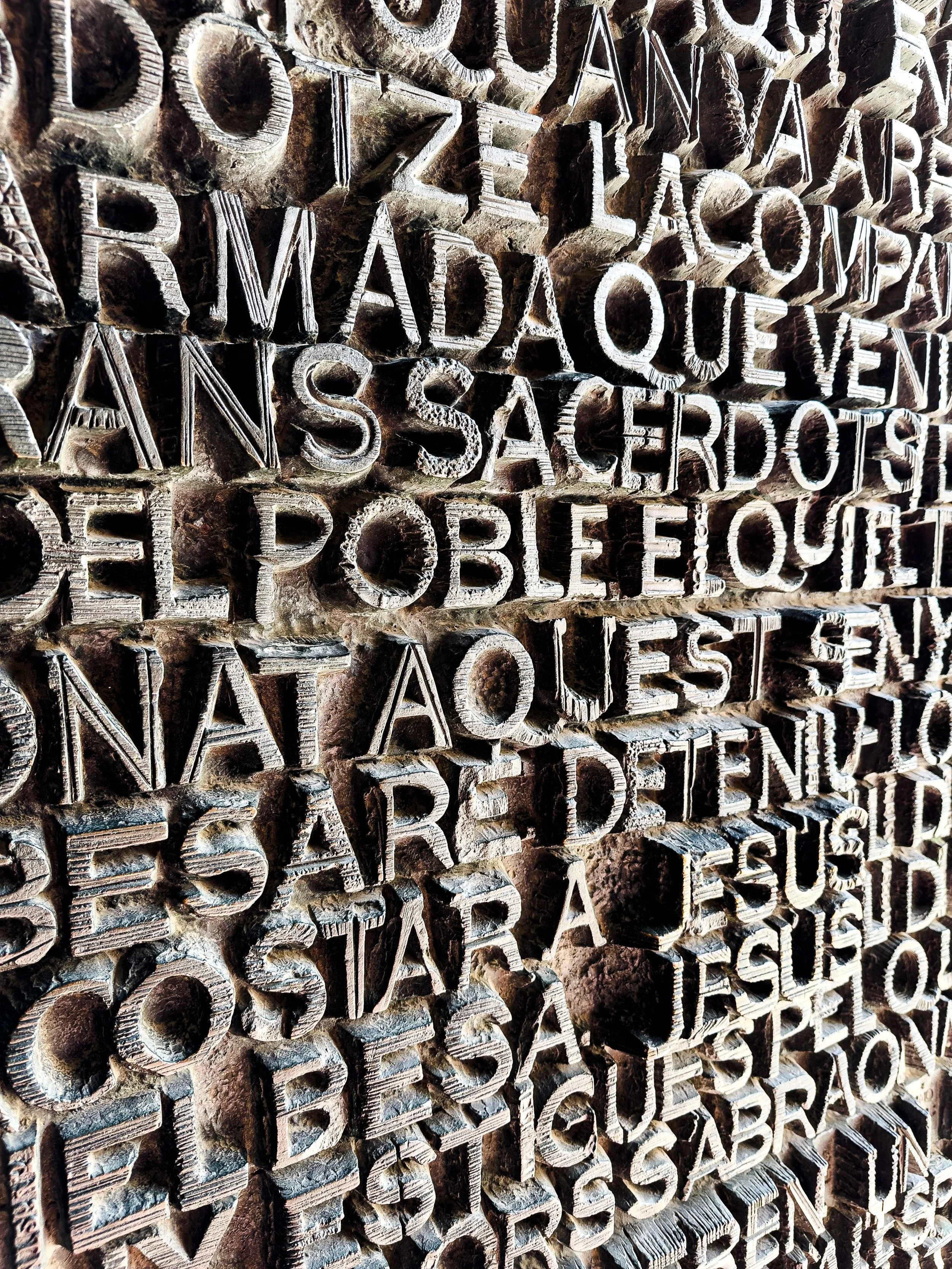
The human act of translation and interpretation is especially vital for Professor Pezzini, who is helping The Hunt for Gollum develop dialogue in Tolkien’s constructed languages. It’s a daunting task, considering that Tolkien populated his world with more than 15 invented languages, from the elegant Elvish tongues of Sindarin and Quenya to the loathsome Black Speech of his villains, and even added the conceit that The Hobbit and The Lord of the Rings are stories found in an ancient manuscript that he rendered into English—protagonist Frodo Baggins’ original untranslated name is ‘Maura Labingi’.
‘‘‘We’re not looking for a book that will sell lots—although obviously that’d be great. We’re trusting the people who read us to know what we’re getting at.’
An NDA prevents Pezzini from disclosing all the juicy details, but he does reveal that ‘there is not a single word or phrase I’ve translated which is not somehow based on attested evidence’ within Tolkien’s original works. ‘Following on the footsteps of many great Tolkien linguists, I have approached this corpus of texts with the same attention that I give to languages like Latin which I teach at university,’ Pezzini adds.
Tolkien’s intricately developed languages remind Pezzini of the medieval architects who covered Notre Dame Cathedral with detailed statues, even in the rafters where no visitor would see, as a display of love and devotion to their work. Whereas the villains of Tolkien’s universe worship power and technology, Pezzini points to how Tolkien celebrated the vulnerable and unassuming. ‘I do think there’s an analogy between his attention to detail,’ he says, ‘and the attention to the small and little and poor that you find within Tolkien’s world.’
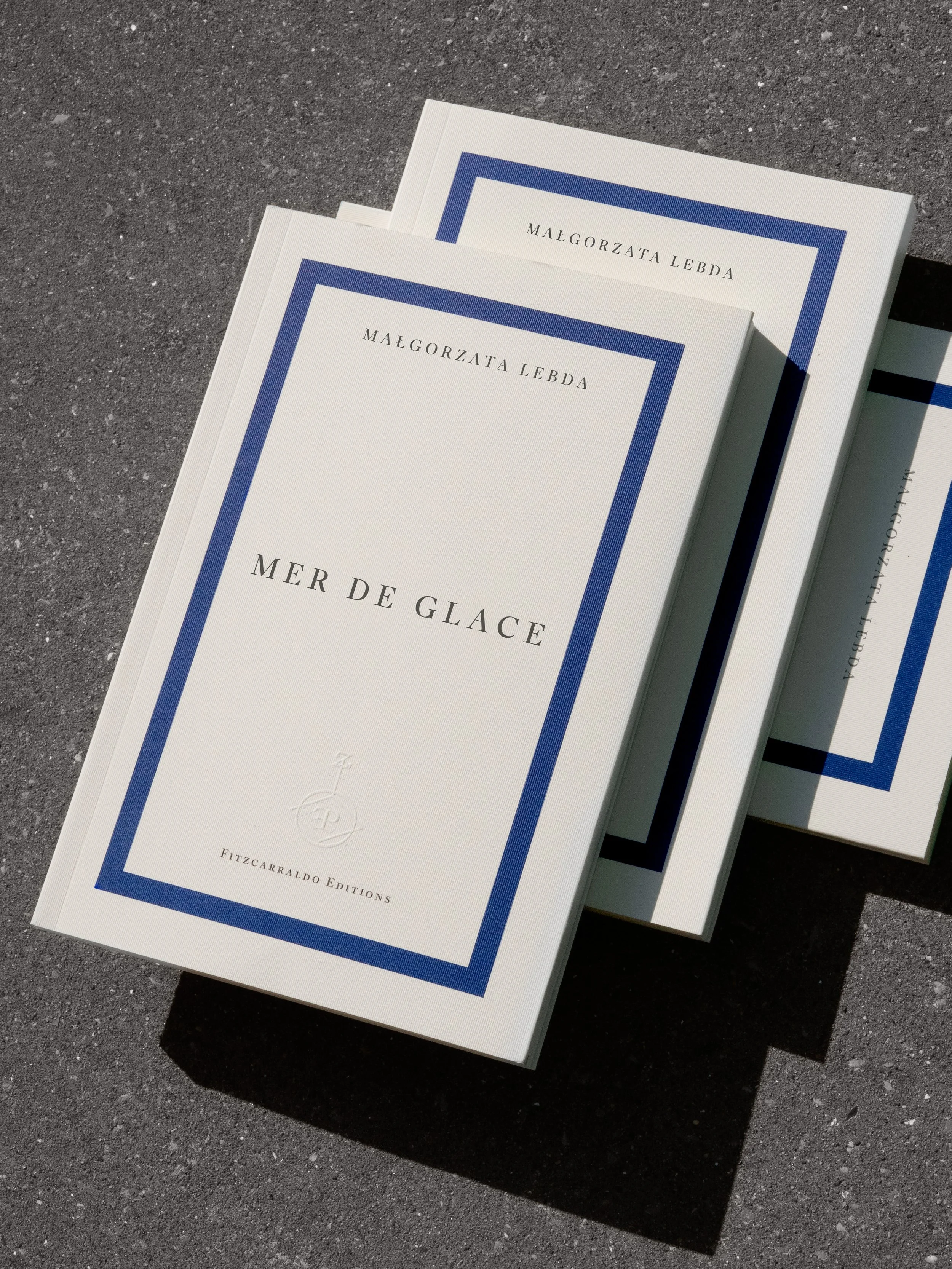
Image credit: Fitzcarraldo Books
‘The beautiful thing about translation is that it’s an umbrella. There isn’t a formula like there is in English.’
Seemingly trivial details are equally important for modern translated books. Bogen points out that there are clichés to how foreign books are marketed: if you pick up a novel about Africa, for instance, it’ll often have a red or yellow cover, perhaps with a Black woman with her face turned away. But because Fitzcarraldo packages English and translated books in identically minimalist blue-and-white covers, ‘there’s a democratising effect,’ she says. ‘We’re not saying, “Hey, this is a book from this country”. No matter who we’re publishing, we’re treating them the same.’
‘The beautiful thing about translation is that it’s an umbrella,’ Mohamed adds. ‘There isn’t a formula like there is in English.’ Translated novels can range from sci-fi dystopias to traditional family sagas, giving this category an inherent diversity. It’s why she’s optimistic about this sector of publishing at a time when many pundits are worried about the industry, highlighting how novels like Solvej Balle’s On the Calculation of Volume series have achieved popular success alongside prestigious awards nominations. In 2025, more than 72% of translated fiction books were bought by people under 45, which Mohamed argues is related to how young people live in a highly international online world. ‘They’re more used to confronting themselves with other cultures,’ she says, which makes them more open to reading foreign fiction.
‘It’ll be important in the future that publishers don’t see this as a trend,’ Mohamed says, hoping that the industry will have ‘a mission of ensuring that voices from other countries that should be read have a chance to be read.’ She and Bogen both have their wishlists of literary styles they want to see more of: the former hopes to support Italian and Latin American fiction, especially by women writers, while the latter hopes that more books will be translated from the Global South, such as North America and New Zealand’s indigenous languages.
‘We should read in translation because we should be reading the best works.’
Even though the Channel divides us from the continent, Britain’s greatest writers have always explored the possibilities of international literary ideas, and modern readers are equally keen to fill their bookshelves with a diverse range of voices. But you don’t have to care about the grand sweep of literary history to see why translation matters. As Bogen puts it, ‘we should read in translation because we should be reading the best works.’